Public health is the branch of healthcare that focuses on improving the health of populations rather than individual patients. It involves prevention, education, and intervention programs aimed at promoting health, controlling disease, and ensuring safe living environments. Public health plays a central role in communities by addressing health challenges and enhancing overall well-being.
What Is Public Health
Public health refers to organized efforts by society to improve, protect, and prolong the health of individuals and communities. This includes:
- Monitoring disease trends
- Implementing vaccination programs
- Promoting healthy behaviors
- Ensuring environmental safety
- Providing education and awareness campaigns
Public health is preventive in nature, targeting the root causes of illness and promoting wellness.
Key Functions of Public Health in Communities
1. Disease Prevention
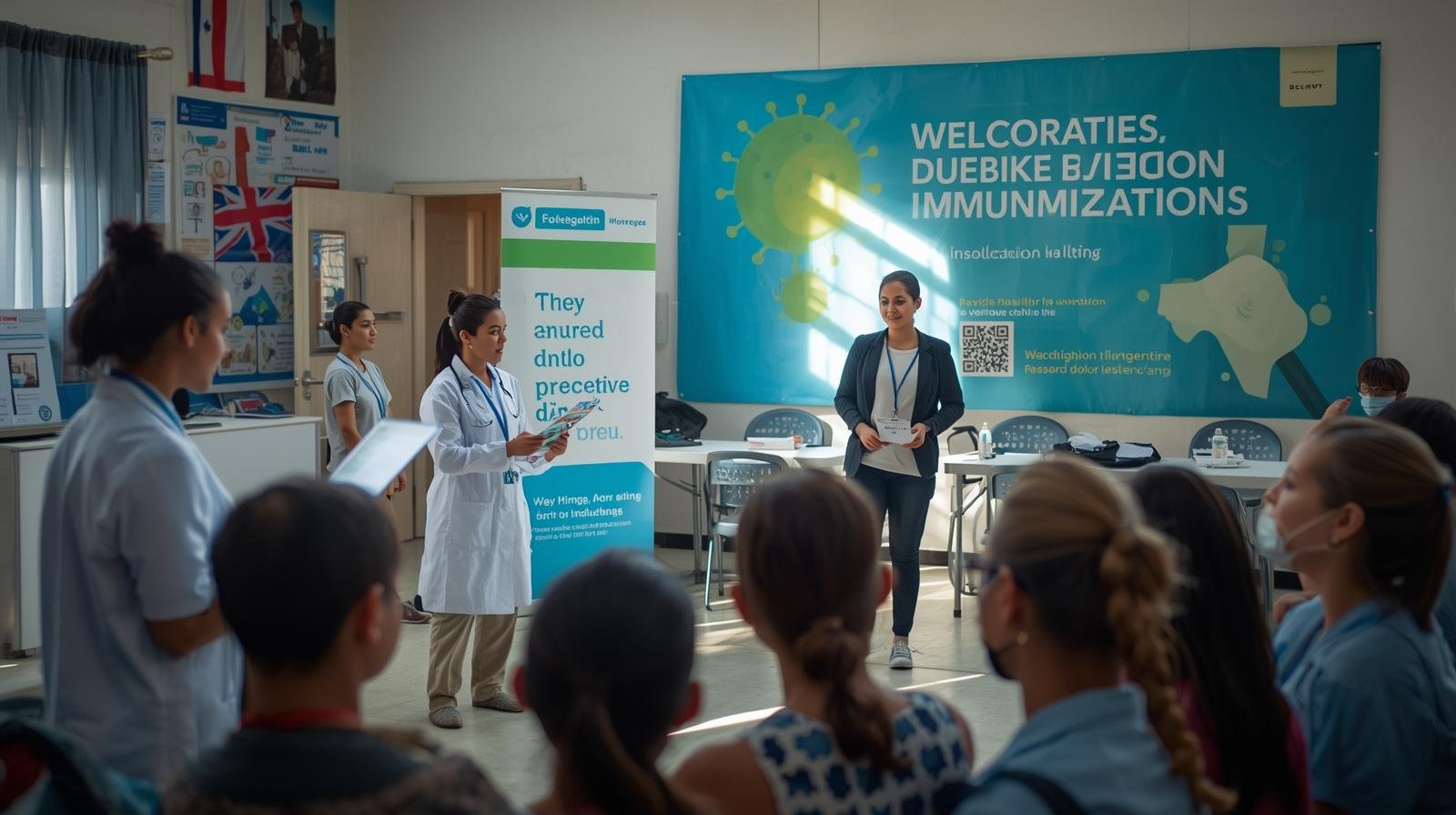
Communities rely on public health programs to prevent outbreaks of infectious diseases. Vaccination drives, sanitation initiatives, and awareness campaigns reduce the risk of epidemics.
2. Health Education
Educating the public about nutrition, exercise, hygiene, and safe behaviors improves individual and community health. Health education empowers people to make informed decisions.
3. Environmental Health Management
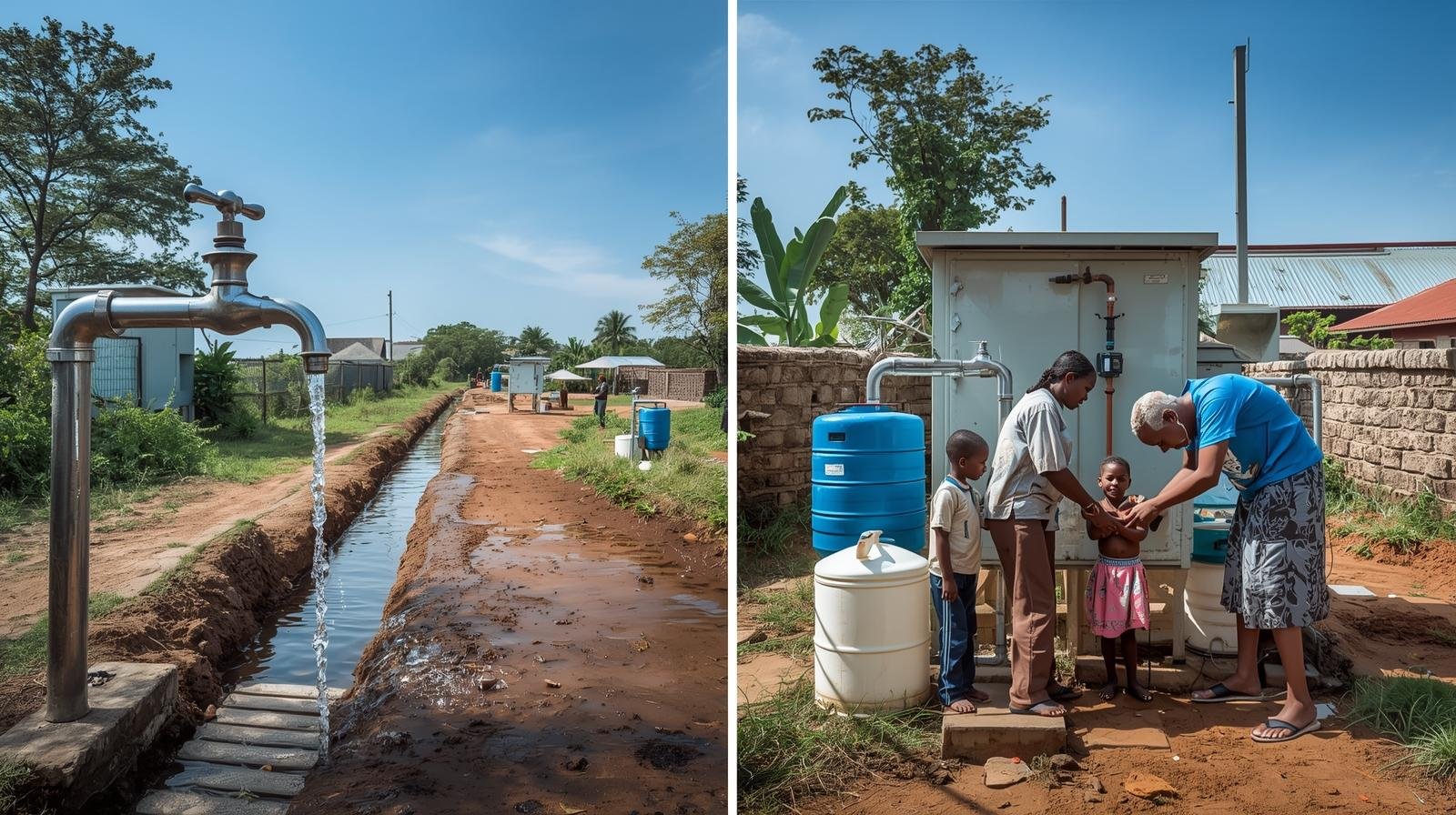
Public health monitors environmental factors such as clean water, air quality, and waste management. Proper management reduces exposure to disease-causing agents.
4. Emergency Preparedness
Public health systems prepare communities for natural disasters, epidemics, or chemical hazards. Emergency planning saves lives and mitigates long-term health impacts.
5. Policy Development
Public health professionals work with governments to create policies and regulations that promote health equity and safety. This includes laws on food safety, occupational health, and vaccination requirements.
How Public Health Benefits Communities
- Reduced Disease Rates: Preventive programs minimize the spread of infectious and chronic diseases.
- Health Equity: Public health initiatives aim to provide access to care for underserved populations.
- Economic Benefits: Healthy communities reduce healthcare costs and lost productivity.
- Education: Awareness campaigns foster long-term healthy habits.
- Community Resilience: Populations are better equipped to handle emergencies and outbreaks.
Examples of Public Health Programs
- Immunization campaigns against diseases like measles, polio, and influenza
- School-based nutrition and hygiene programs
- Anti-smoking campaigns targeting youth and adults
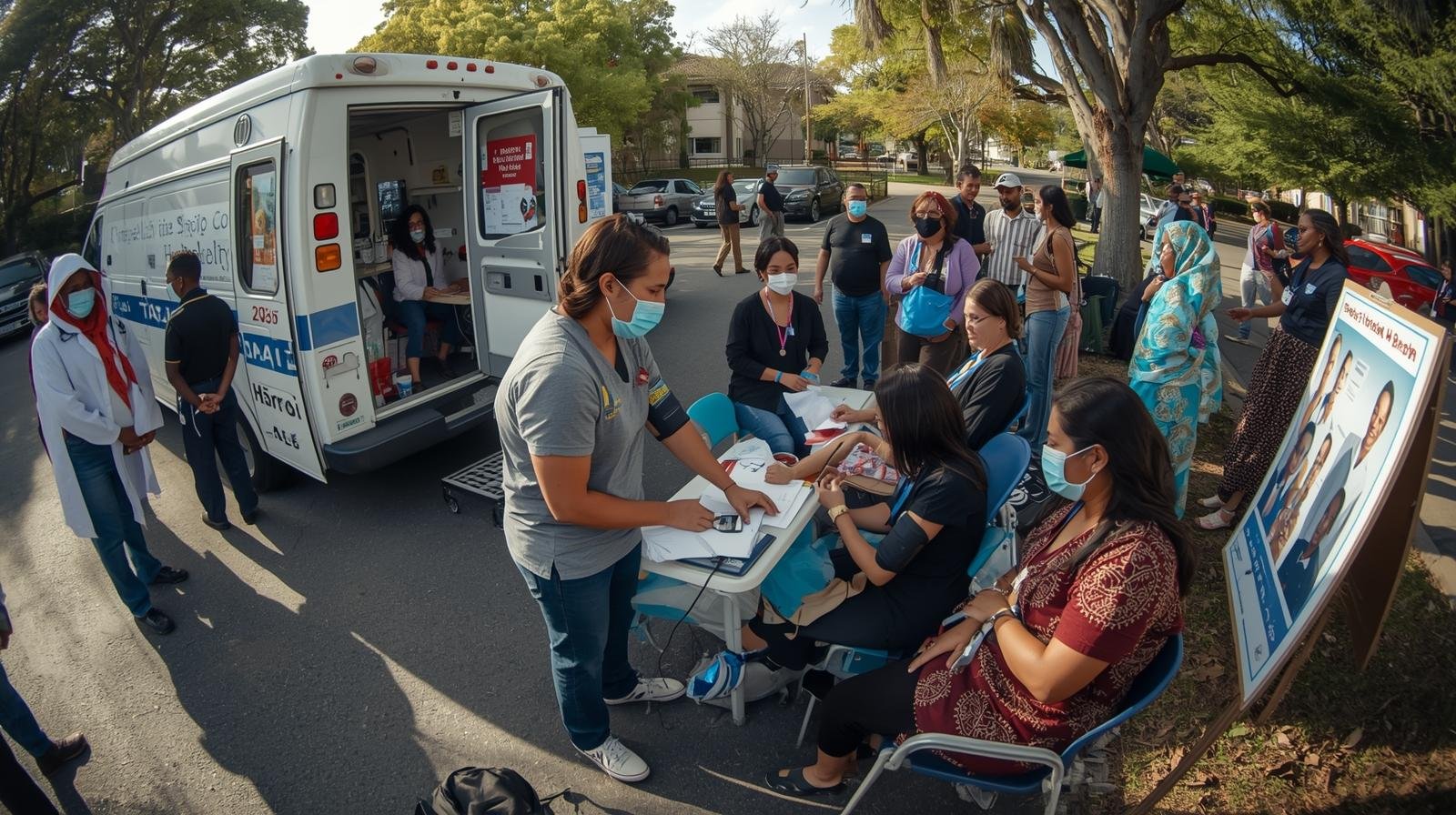
- Screening programs for conditions like diabetes and hypertension
- Vector control for diseases such as malaria and dengue
Role of Community Participation
Public health success relies on community involvement. Residents contribute by:
- Following hygiene and vaccination guidelines
- Participating in awareness campaigns
- Reporting health hazards
- Supporting local health initiatives
Collaboration strengthens public health outcomes and fosters trust between health authorities and residents.
Challenges Faced by Public Health in Communities
- Limited funding and resources
- Unequal access to healthcare services
- Cultural or language barriers
- Misinformation and lack of awareness
- Rapid urbanization and population growth
Addressing these challenges requires coordinated efforts between governments, NGOs, healthcare providers, and community members.
Public Health Professionals in Communities
Public health professionals include:
- Epidemiologists monitoring disease trends
- Health educators conducting awareness campaigns
- Environmental health officers ensuring safe water and sanitation
- Policy makers developing health regulations
- Community outreach workers engaging residents
Each professional contributes to creating safer and healthier communities.
Technology and Public Health
Modern technology improves public health through:
- Disease surveillance and data analytics
- Mobile health applications for education and monitoring
- Telemedicine services for remote areas
- Digital alerts during epidemics or emergencies
Technology enhances efficiency, accessibility, and response time in public health initiatives.
Measuring Public Health Impact
Community health outcomes are measured using indicators such as:
- Life expectancy
- Infant and maternal mortality rates
- Immunization coverage
- Prevalence of chronic diseases
- Access to clean water and sanitation
Regular monitoring allows public health programs to adjust strategies for maximum effectiveness.
Conclusion
Public health is the backbone of community well-being. Its role includes preventing disease, educating residents, ensuring environmental safety, and preparing communities for emergencies. By engaging residents, implementing policies, and utilizing technology, public health strengthens community health, reduces disease burden, and promotes a higher quality of life. Strong public health systems empower communities to live healthier, safer, and more productive lives.