Access to clean water and proper sanitation is fundamental to public health. Safe water and effective waste management prevent the spread of infectious diseases, support hygiene, and promote overall community well-being. Poor sanitation and contaminated water are major contributors to illness, death, and economic loss, particularly in developing regions.
This guide explains the importance of sanitation and clean water, the challenges communities face, and strategies to ensure safe water access and proper sanitation practices.
What Is Sanitation
Sanitation refers to systems and practices that maintain hygiene and manage waste to prevent disease. This includes:
- Proper disposal of human waste
- Safe management of solid and liquid waste
- Hygiene practices such as handwashing
- Clean facilities for personal and public use
Effective sanitation reduces exposure to pathogens that cause diseases such as diarrhea, cholera, and typhoid.
What Is Clean Water
Clean water is water that is safe for drinking, cooking, and hygiene. Safe water is free from harmful bacteria, viruses, and chemical contaminants. Access to clean water is essential for:
- Drinking
- Cooking
- Cleaning
- Agricultural use
- Industrial purposes
Lack of clean water contributes to disease, malnutrition, and reduced productivity.
Health Impacts of Poor Sanitation and Contaminated Water
Poor sanitation and unsafe water can lead to:
- Diarrheal diseases: Major cause of mortality in children under five
- Cholera: Waterborne disease that can lead to dehydration and death
- Typhoid and Hepatitis A: Spread through contaminated water or food
- Parasitic infections: Such as giardiasis and schistosomiasis
- Malnutrition: Resulting from repeated infections and poor absorption of nutrients
The World Health Organization estimates that millions of deaths each year are linked to unsafe water and inadequate sanitation.
Importance of Sanitation in Communities
1. Disease Prevention
Sanitation prevents the spread of pathogens in communities. Proper waste disposal and hygiene practices limit contact with fecal matter, reducing infectious diseases.
2. Hygiene Promotion
Sanitation facilities such as toilets and handwashing stations encourage healthy behaviors. Communities with improved sanitation have lower rates of infectious disease transmission.
3. Environmental Protection
Proper waste management prevents contamination of soil and water bodies, preserving ecosystems and supporting sustainable agriculture.
4. Economic Benefits
- Reduces healthcare costs by lowering disease prevalence
- Increases workforce productivity by minimizing illness
- Supports tourism and local business through clean environments
Importance of Clean Water
1. Drinking and Nutrition
Safe water is essential for hydration and preparing safe meals. Contaminated water can introduce pathogens that cause illness and malnutrition.
2. Hygiene and Sanitation
Clean water is necessary for bathing, handwashing, laundry, and cleaning public spaces. Access to water supports effective sanitation practices.
3. Disease Prevention
Waterborne diseases such as cholera, dysentery, and hepatitis are significantly reduced with safe water supply.
4. Agricultural and Industrial Use
Clean water supports irrigation for crops and operations in industries, ensuring safe food production and economic activity.
Challenges in Accessing Sanitation and Clean Water
- Population growth: Urban areas may struggle to provide adequate sanitation for growing populations
- Infrastructure gaps: Rural and underserved communities often lack sewage systems and piped water
- Pollution: Industrial, agricultural, and domestic waste can contaminate water sources
- Climate change: Droughts and floods affect water availability and quality
- Cultural practices: Open defecation and unsafe water handling increase health risks
Addressing these challenges requires coordinated planning, investment, and community participation.
Strategies for Ensuring Clean Water Access
1. Water Treatment and Filtration
- Chlorination, UV treatment, and filtration systems ensure safe drinking water.
- Community water treatment plants improve accessibility.
2. Infrastructure Development
- Piped water supply networks
- Boreholes and wells in rural areas
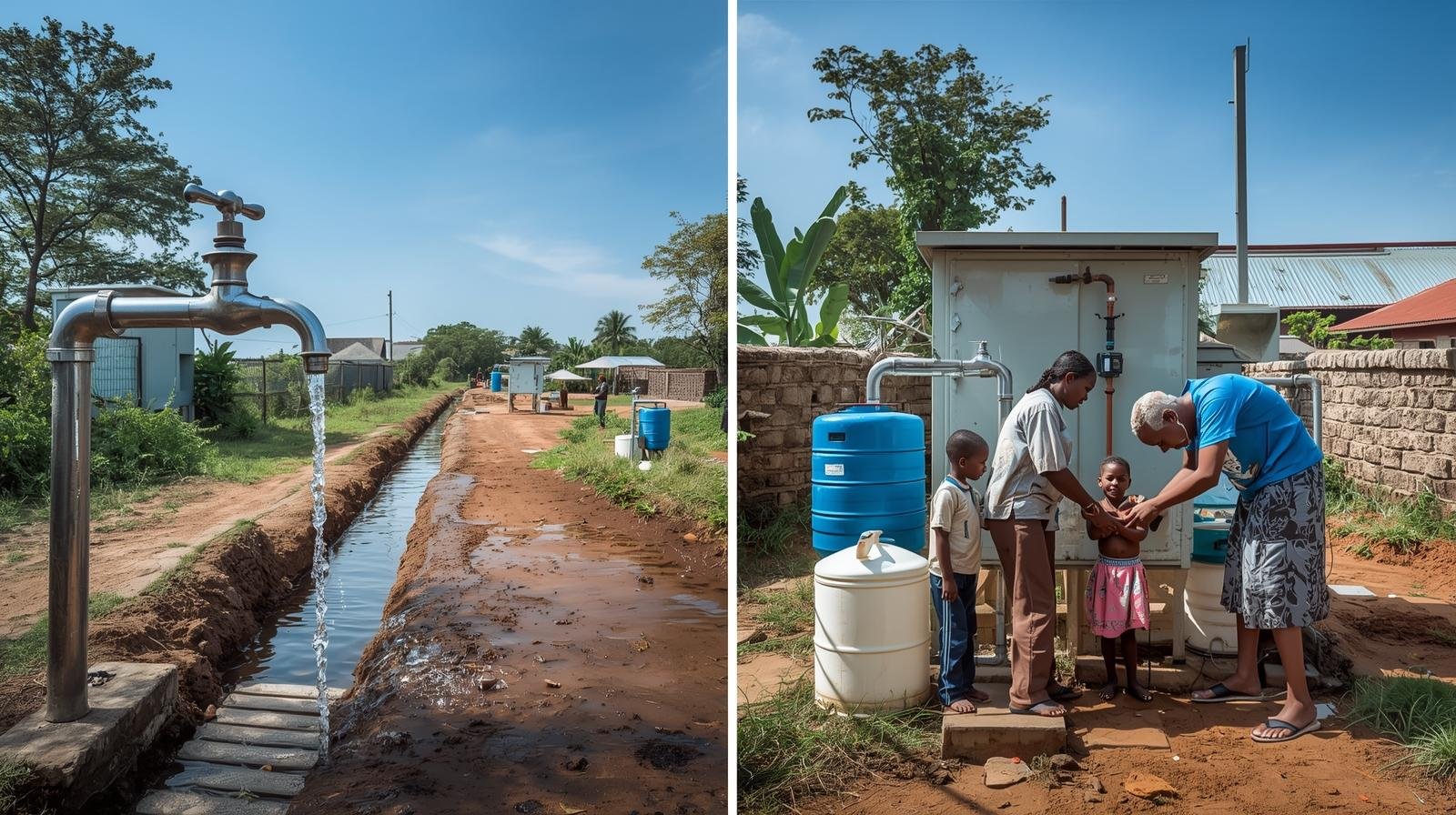
- Rainwater harvesting systems
3. Water Quality Monitoring
- Regular testing for contaminants
- Maintenance of water supply systems to prevent contamination
4. Education on Safe Water Practices
- Boiling or filtering water at home
- Proper storage of drinking water
- Avoiding use of contaminated sources
Strategies for Improving Sanitation
1. Building Toilets and Latrines
- Household toilets reduce open defecation
- Community latrines support public spaces and schools
2. Waste Management Systems
- Solid waste collection and disposal
- Sewage treatment plants
- Recycling and composting programs
3. Promoting Hygiene Practices
- Handwashing with soap and clean water
- Safe disposal of child feces
- Personal hygiene education in schools
4. Policy and Regulation
- Government standards for sanitation and water quality
- Community participation in monitoring and maintenance
- Enforcement of environmental and public health regulations
Role of Technology in Sanitation and Water Management
- Water purification and filtration technologies
- Smart monitoring systems for water quality
- Mobile applications for reporting sanitation issues
- GIS mapping of water supply networks and sanitation coverage
Technology improves efficiency, accessibility, and sustainability of water and sanitation programs.
Global Health Impact
Improved sanitation and clean water reduce the global burden of disease:
- Decreased child mortality
- Reduced spread of infectious diseases
- Improved maternal health
- Enhanced school attendance and education outcomes
Universal access to safe water and sanitation is a target under the United Nations Sustainable Development Goals (SDG 6).
Community Participation
Successful sanitation and clean water programs involve community engagement:
- Maintaining toilets and latrines
- Monitoring water sources for contamination
- Participating in awareness campaigns
- Reporting issues to local authorities
Active involvement ensures sustainability and long-term health benefits.
Case Studies
- Bangladesh: Community-led total sanitation programs significantly reduced open defecation.
- Kenya: Borehole and rainwater harvesting initiatives improved rural access to safe drinking water.
- India: Swachh Bharat Mission improved sanitation infrastructure nationwide and promoted hygiene education.
These examples demonstrate that investment in water and sanitation positively affects health and quality of life.
Conclusion
Sanitation and clean water are cornerstones of public health. Safe water prevents disease, supports hygiene, and enhances nutrition, while proper sanitation reduces exposure to pathogens and environmental contamination. Effective programs require infrastructure, education, policy enforcement, technology, and community engagement.
Ensuring access to clean water and sanitation improves health outcomes, reduces economic burden, and creates resilient communities. Every community benefits when water is safe, sanitation facilities are available, and residents are educated on proper hygiene practices.