Public health systems worldwide face numerous challenges that affect population health, safety, and quality of life. Globalization, climate change, emerging diseases, and resource limitations contribute to complex public health issues. Understanding these challenges is essential for governments, healthcare providers, and communities to develop strategies that protect and promote health at a global scale.
This guide explores major public health challenges, their impact, and potential strategies to address them.
What Is Global Public Health
Global public health refers to health issues, policies, and interventions that transcend national boundaries. It emphasizes prevention, equity, and collaboration to improve health outcomes for all populations. Global public health addresses diseases, environmental hazards, lifestyle risks, and health inequalities.
Major Global Public Health Challenges
1. Infectious Diseases
Infectious diseases remain a major global health concern. Key challenges include:
- Emerging and Re-emerging Diseases: Examples include COVID-19, Ebola, and Zika virus.
- Antimicrobial Resistance (AMR): Pathogens resistant to antibiotics complicate treatment of infections like tuberculosis, malaria, and pneumonia.
- Pandemics: Rapid global spread of disease requires coordinated international response.
Preventive strategies include vaccination, surveillance, early detection, and rapid response systems.
2. Non-Communicable Diseases (NCDs)
Chronic diseases are increasing worldwide, placing pressure on healthcare systems. Major NCDs include:
- Heart disease
- Diabetes
- Cancer
- Respiratory illnesses
Contributing factors include sedentary lifestyles, poor diet, smoking, and environmental exposure. Public health interventions focus on education, lifestyle modification, and early detection.
3. Access to Healthcare
Unequal access to healthcare services is a persistent global challenge:
- Rural and underserved populations often lack hospitals, clinics, or trained professionals
- High cost of treatment limits access for low-income communities
- Shortages of healthcare workers reduce service availability
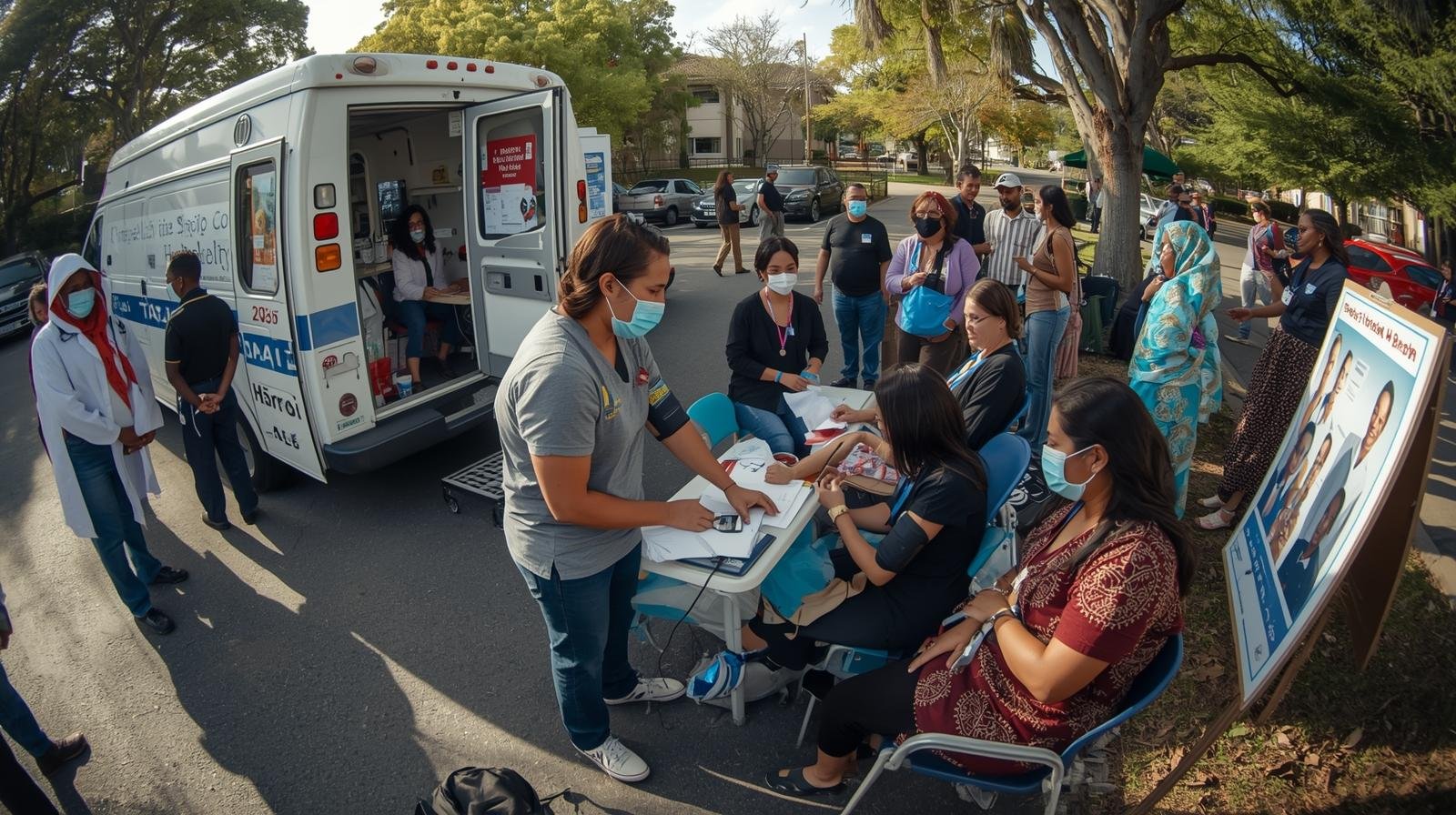
Addressing access requires policy interventions, mobile health solutions, telemedicine, and investment in infrastructure.
4. Environmental Health Challenges
Environmental factors significantly influence public health:
- Air Pollution: Linked to respiratory and cardiovascular diseases
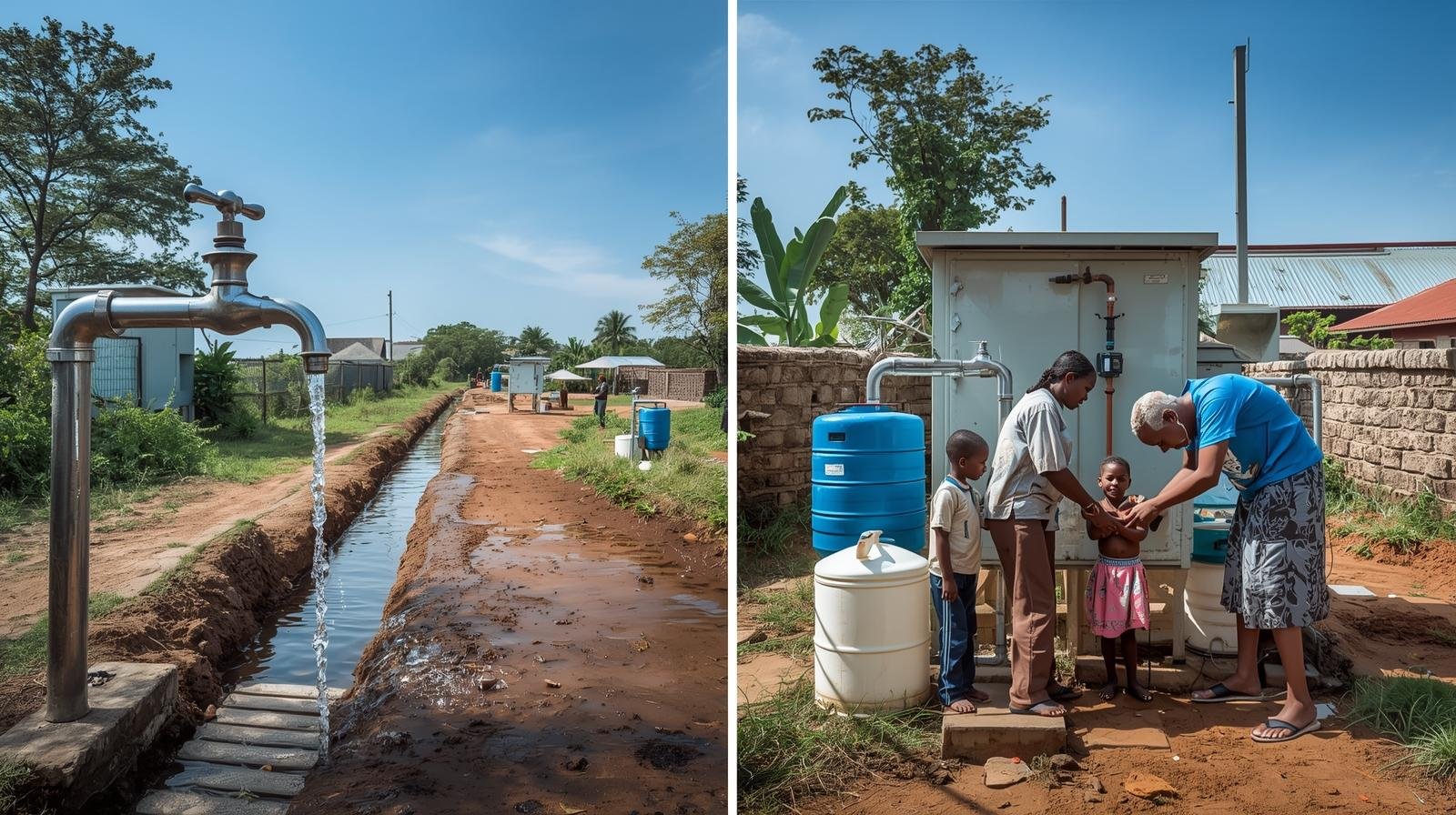
- Water Pollution: Leads to waterborne diseases and poor sanitation outcomes
- Climate Change: Increases heat-related illnesses, vector-borne diseases, and disaster risks
Solutions involve regulation, monitoring, sustainable practices, and community education.
5. Nutrition and Food Security
Malnutrition affects millions globally, both through undernutrition and obesity:
- Undernutrition contributes to stunted growth, weakened immunity, and increased child mortality
- Obesity and poor diet contribute to NCDs such as diabetes and heart disease
Public health programs focus on promoting balanced diets, fortifying food, and increasing access to safe food.
6. Mental Health
Mental health challenges are increasingly recognized as global public health issues:
- Depression, anxiety, and substance abuse are widespread
- Stigma and lack of services limit treatment access
- Stress from conflicts, disasters, and economic pressures impacts population mental health
Public health strategies include awareness campaigns, integration of mental health services into primary care, and training of mental health professionals.
7. Global Health Emergencies
Disasters, conflicts, and pandemics disrupt healthcare systems and threaten population health:
- Natural disasters: floods, hurricanes, earthquakes
- Armed conflicts: disrupt access to care, cause trauma and displacement
- Epidemics: require rapid surveillance and containment
Preparedness planning, international collaboration, and rapid deployment of resources are essential.
8. Health Inequities
Disparities in health outcomes between different populations remain a global challenge:
- Low-income communities have higher disease burden and lower life expectancy
- Gender inequities affect maternal and reproductive health
- Minority populations often face barriers to healthcare access
Policies aimed at universal health coverage, social support, and education reduce inequities.
9. Urbanization and Population Growth
Rapid urbanization increases demand for healthcare, sanitation, housing, and transportation:
- Overcrowding promotes disease transmission
- Pollution and poor living conditions affect respiratory and overall health
- Health infrastructure may not keep pace with population growth
Urban planning and investment in healthcare infrastructure are critical for mitigating risks.
10. Globalization and Travel
Increased international travel and trade spread diseases more quickly:
- Pathogens move across borders faster than public health systems can respond
- Global supply chains impact food safety and medicine availability
International cooperation and robust disease surveillance systems are essential for monitoring and containment.
Strategies to Address Global Public Health Challenges
1. Strengthening Health Systems
- Train healthcare workers
- Improve hospitals and clinics
- Ensure consistent supply of medicines and vaccines
2. Policy and Governance
- Implement evidence-based policies
- Regulate environmental hazards
- Promote health equity through legislation
3. International Collaboration
- Share data and resources across countries
- Coordinate responses to epidemics and disasters
- Support low-resource countries through aid and technical assistance
4. Health Education and Awareness
- Conduct campaigns on hygiene, nutrition, and disease prevention
- Promote mental health awareness
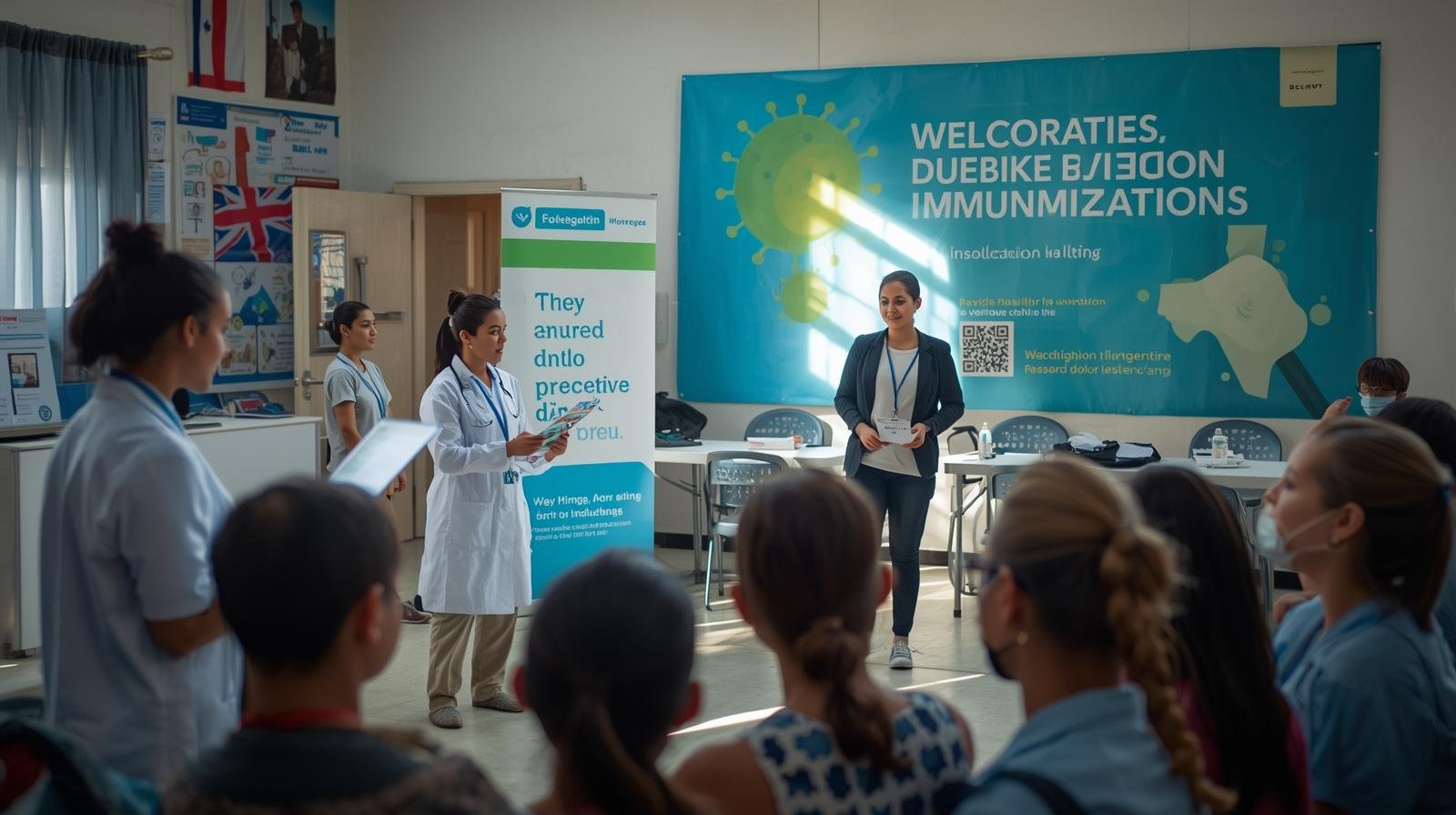
- Encourage vaccination and preventive healthcare
5. Research and Innovation
- Develop new vaccines and treatments
- Utilize technology for telemedicine and disease surveillance
- Monitor antimicrobial resistance and emerging pathogens
Role of Technology in Global Public Health
- Mobile health (mHealth) apps for education and monitoring
- Digital tracking of outbreaks and vaccination coverage
- Telemedicine connecting patients in remote areas to specialists
- Geographic Information Systems (GIS) for mapping health risks
Technology improves efficiency, coordination, and accessibility in global health initiatives.
Measuring Global Public Health Progress
Key indicators used internationally include:
- Life expectancy at birth
- Infant and maternal mortality rates
- Incidence and prevalence of communicable and non-communicable diseases
- Access to clean water and sanitation
- Immunization coverage
Monitoring these indicators helps governments and organizations identify priorities and measure the impact of interventions.
Conclusion
Global public health faces complex challenges ranging from infectious and chronic diseases to environmental hazards and health inequities. Addressing these challenges requires collaboration among governments, international organizations, healthcare providers, and communities.
Strategies such as strengthening health systems, promoting education, ensuring access to care, and leveraging technology are essential for improving population health. Global public health initiatives aim to prevent disease, promote well-being, and create resilient communities capable of responding to emerging health threats.
Sustained investment, awareness, and international cooperation are critical to overcoming public health challenges and achieving healthier populations worldwide.