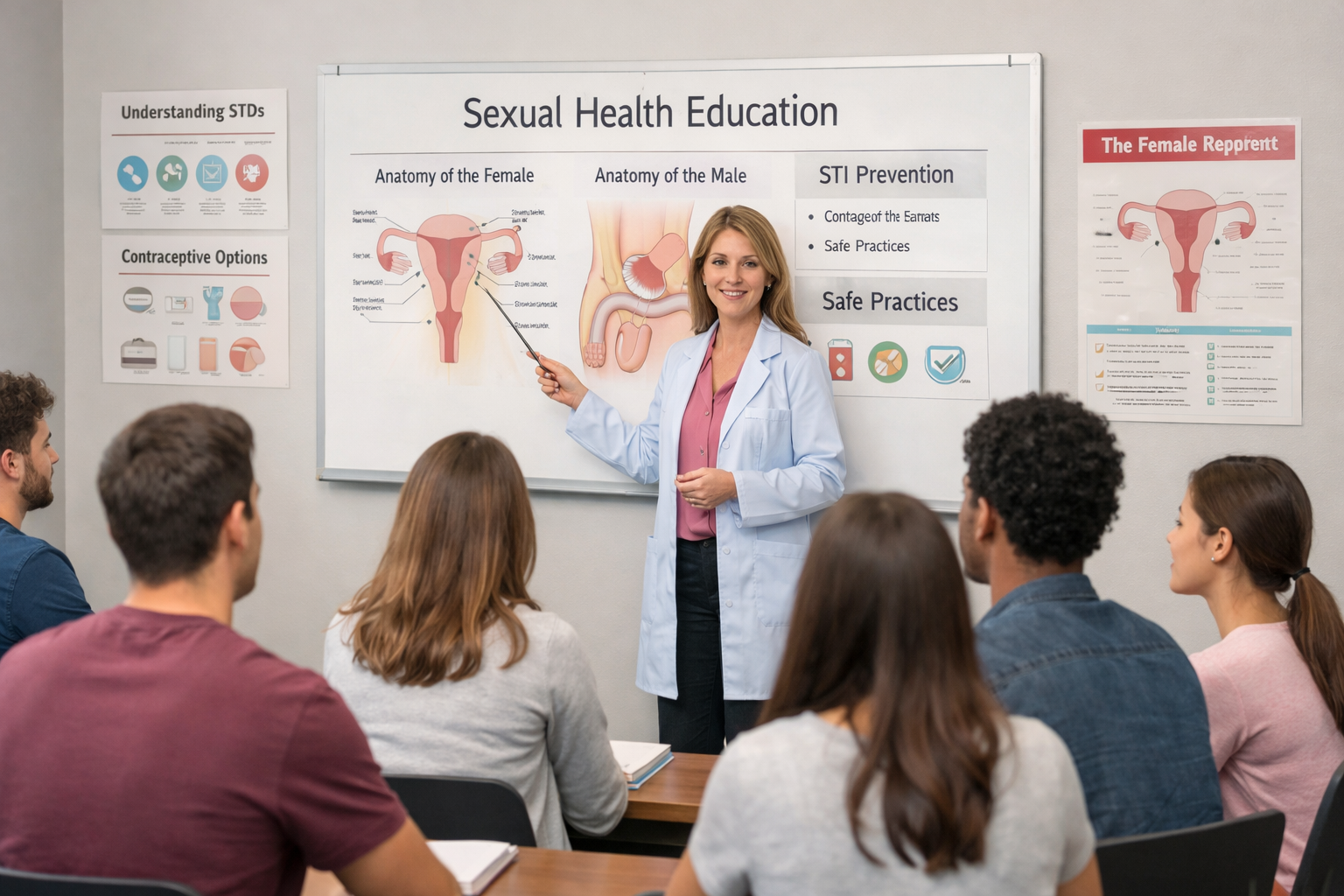
Family planning is the practice of controlling the number and timing of children through the use of contraception, education, and reproductive health services. It empowers individuals and couples to make informed decisions about reproduction, promotes maternal and child health, and supports socioeconomic development.
This guide explains the main family planning methods, their use, benefits, and considerations, providing comprehensive information for readers seeking practical knowledge on reproductive health.
What Is Family Planning
Family planning allows individuals and couples to decide if and when they want to have children. It includes:
- Access to contraception
- Education on reproductive health
- Counseling on fertility and pregnancy planning
- Information on spacing and limiting births
The goal is to improve health outcomes, reduce unintended pregnancies, and support personal and family well-being.
Importance of Family Planning
1. Maternal Health
- Reduces risk of complications during pregnancy and childbirth
- Allows recovery time between pregnancies
- Lowers maternal mortality by preventing high-risk pregnancies
2. Child Health
- Supports healthier pregnancies and better prenatal care
- Reduces child mortality by allowing proper spacing between births
3. Economic Benefits
- Families can plan resources, education, and healthcare
- Reduces financial strain from unplanned births
- Supports workforce participation, particularly for women
4. Population Management
- Contributes to sustainable development by controlling population growth
- Reduces pressure on healthcare, education, and infrastructure
Types of Family Planning Methods
Family planning methods are broadly categorized into temporary, permanent, and natural methods.
1. Barrier Methods
Barrier methods prevent sperm from reaching the egg. Common examples:
- Condoms (male and female):
- Protect against pregnancy and sexually transmitted infections (STIs)
- Easily available and inexpensive
- Must be used consistently and correctly
- Diaphragms and Cervical Caps:
- Placed inside the vagina before intercourse
- Used with spermicide to increase effectiveness
- Require fitting by a healthcare professional
2. Hormonal Methods
Hormonal methods regulate ovulation or prevent fertilization.
- Oral Contraceptive Pills:
- Daily pills containing estrogen and/or progesterone
- Effective when taken consistently
- May regulate menstrual cycles
- Injectable Contraceptives:
- Administered every few months
- Provides long-term protection
- Requires healthcare provider administration
- Implants:
- Small rods inserted under the skin
- Lasts several years
- Highly effective and reversible
- Hormonal Patches and Vaginal Rings:
- Release hormones to prevent ovulation
- Applied weekly (patch) or monthly (ring)
3. Intrauterine Devices (IUDs)
- Small, T-shaped devices inserted into the uterus
- Prevent fertilization by releasing hormones or copper
- Long-term method (3–10 years depending on type)
- Requires healthcare professional for insertion and removal
4. Permanent Methods
Permanent methods are intended for individuals or couples who do not wish to have more children.
- Tubal Ligation (Female Sterilization):
- Fallopian tubes are cut or blocked to prevent pregnancy
- Permanent and highly effective
- Vasectomy (Male Sterilization):
- Vas deferens are cut or sealed
- Permanent and simple procedure with low complication rates
5. Natural or Fertility Awareness Methods
These methods track fertility cycles to avoid pregnancy without medical devices or hormones:
- Calendar Method: Track ovulation days based on menstrual cycles
- Basal Body Temperature: Detects ovulation through temperature changes
- Cervical Mucus Monitoring: Observes changes in mucus to identify fertile days
- Withdrawal Method: Male partner withdraws before ejaculation
Effectiveness varies, requiring careful tracking and consistency.
6. Emergency Contraception
- Used after unprotected intercourse to prevent pregnancy
- Includes emergency contraceptive pills and copper IUD insertion
- More effective when used promptly after exposure
Choosing the Right Family Planning Method
Factors to consider when selecting a method include:
- Health conditions: Some hormonal methods may not be suitable for individuals with certain medical conditions
- Effectiveness: Permanent and long-acting methods are highly effective; natural methods are less reliable
- Convenience: Daily pills versus long-term implants or injections
- Protection against STIs: Only barrier methods like condoms provide STI protection
- Reversibility: Desire for future children influences method choice
- Side effects: Consider potential side effects, such as hormonal changes, bleeding, or discomfort
Consulting a healthcare provider ensures selection of the safest and most suitable method.
Role of Healthcare Providers
Healthcare providers guide individuals in:
- Choosing suitable contraception methods
- Providing counseling on side effects and usage
- Conducting follow-up checks for long-term methods
- Offering reproductive health services including fertility and prenatal counseling
Providers play a key role in promoting safe, informed, and effective family planning.
Education and Awareness
Education about family planning empowers individuals to:
- Make informed reproductive decisions
- Plan pregnancies for health and economic stability
- Reduce unplanned pregnancies and associated health risks
- Improve maternal and child health outcomes
Awareness campaigns target schools, communities, and media platforms to spread accurate information.
Common Challenges in Family Planning
- Limited access to services in rural or low-income areas
- Cultural or religious barriers
- Lack of accurate information and myths about contraception
- Fear of side effects or health concerns
Overcoming these challenges requires education, accessible services, and community support.
Measuring the Impact of Family Planning
- Reduced maternal and infant mortality rates
- Lower prevalence of unplanned pregnancies
- Increased spacing between births
- Improved health outcomes for mothers and children
- Enhanced socioeconomic opportunities for families
Regular monitoring and evaluation of programs ensures effectiveness and accessibility.
Conclusion
Family planning methods provide individuals and couples with tools to control reproduction, plan pregnancies, and protect health. Options range from barrier and hormonal methods to long-term and permanent solutions.
Access to family planning improves maternal and child health, reduces unintended pregnancies, and supports economic and social development. Education, counseling, and access to safe, reliable contraception are essential for empowering individuals to make informed reproductive choices.