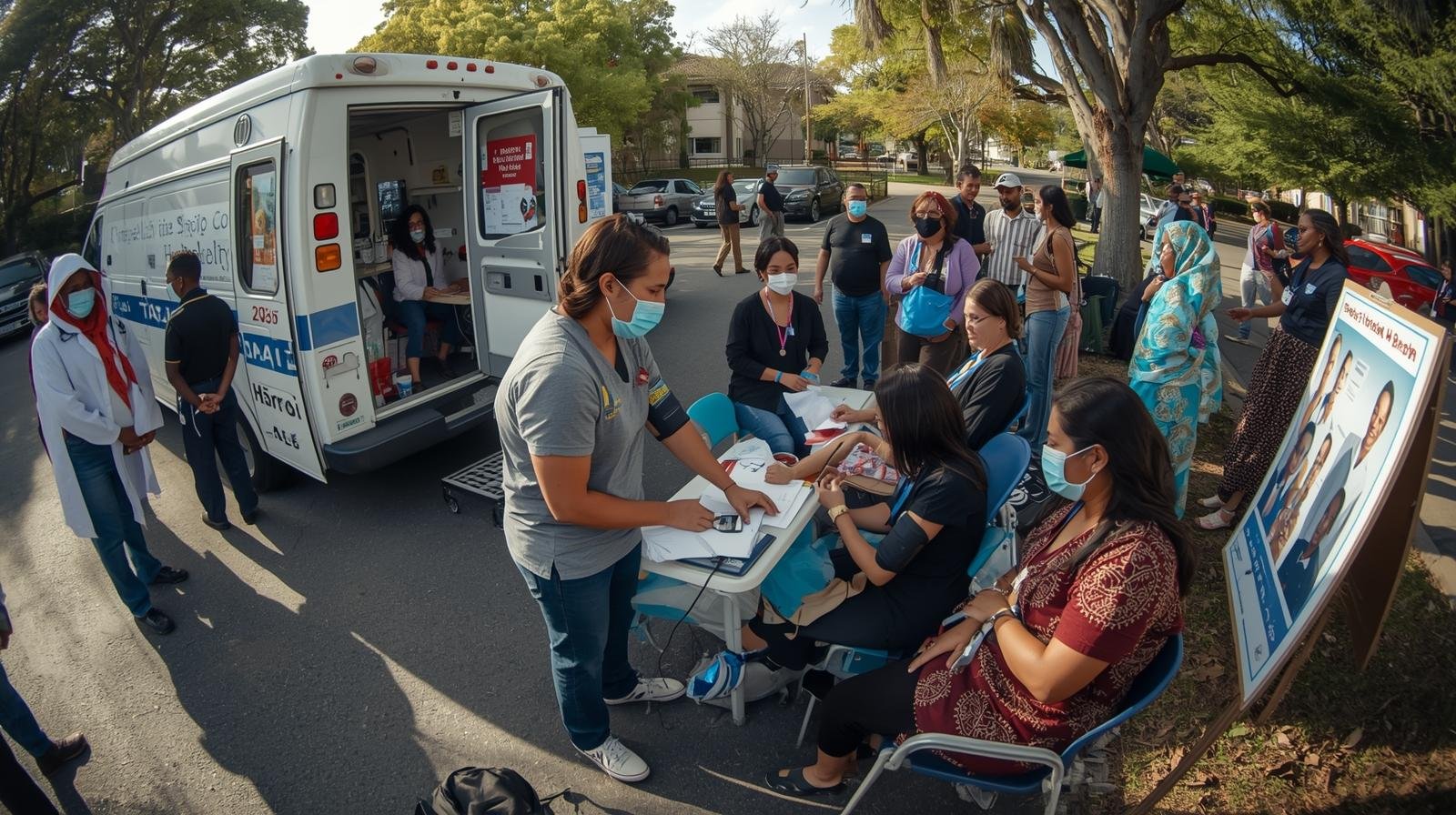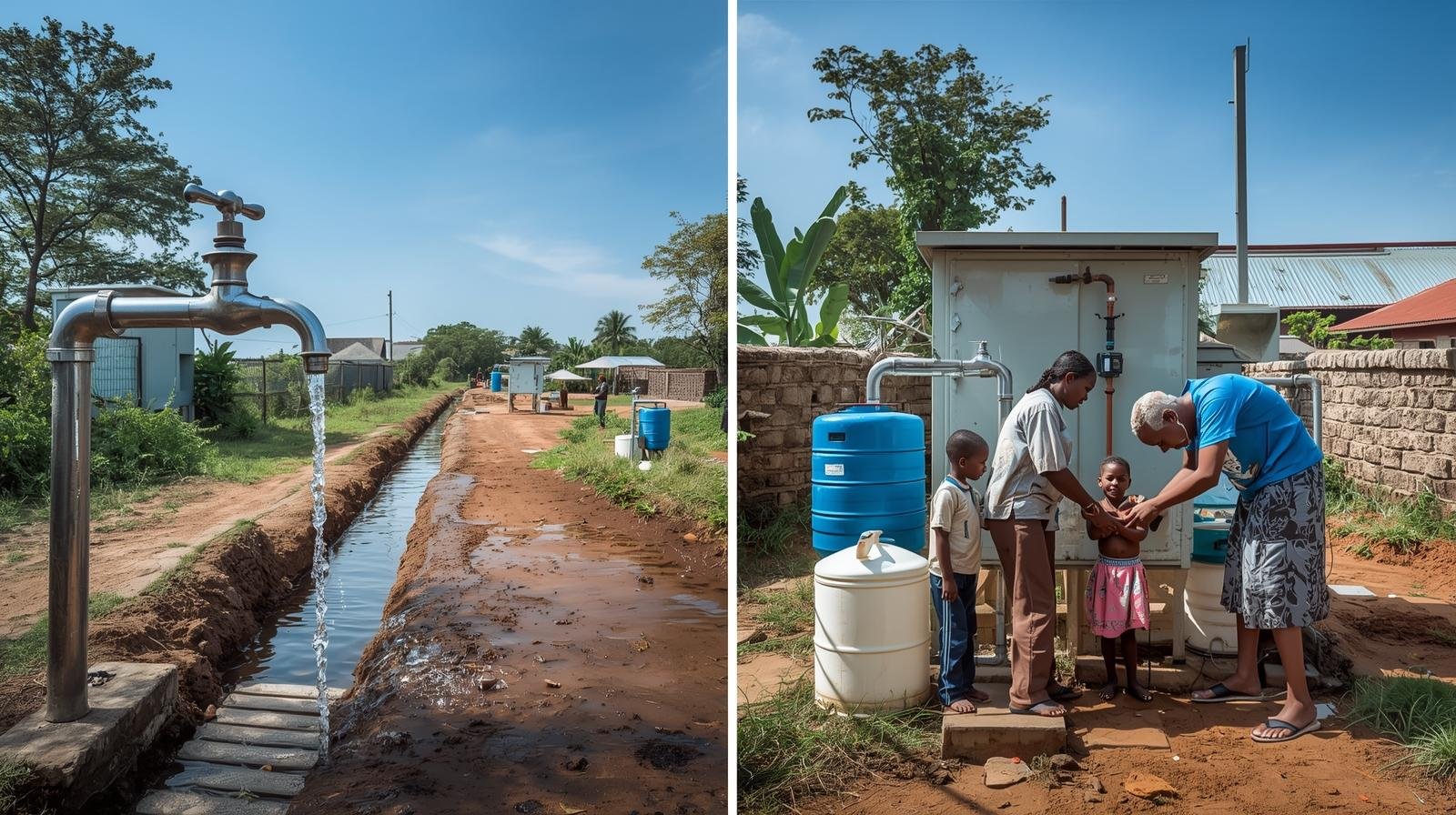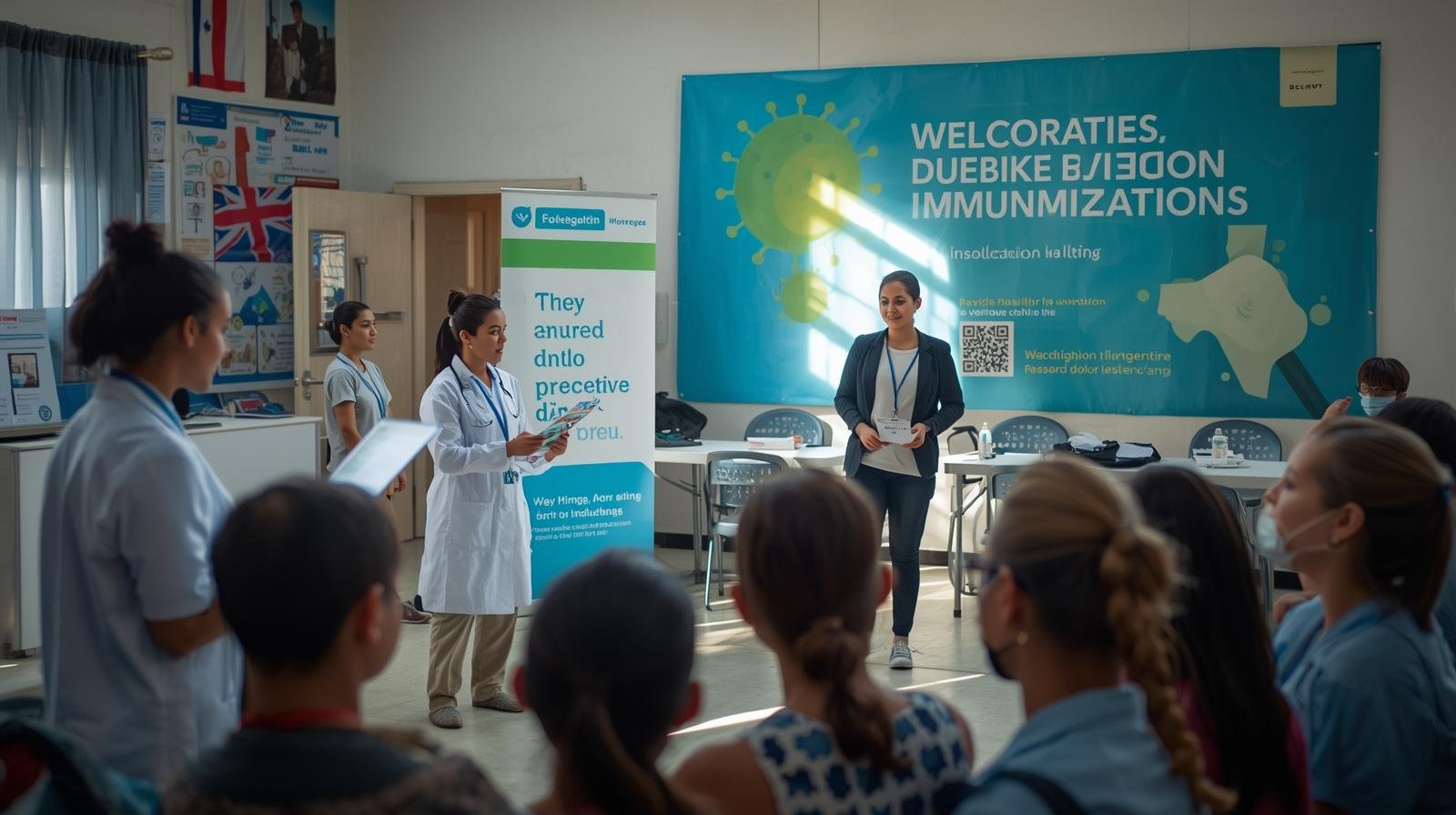
Disease prevention is a fundamental goal of public health. Awareness campaigns and educational initiatives help communities understand how diseases spread, how to reduce risk factors, and how to maintain long-term health. Public awareness plays a key role in preventing both infectious and chronic diseases, protecting individuals, and promoting community well-being.
What Is Disease Prevention
Disease prevention includes measures taken to stop illness before it occurs or to reduce its impact. These measures are often implemented at the community level and can be categorized into three main types:
- Primary Prevention – Preventing the disease before it occurs. Examples include vaccination, sanitation, and health education.
- Secondary Prevention – Early detection and treatment of disease to prevent progression. Examples include screening for cancer or diabetes.
- Tertiary Prevention – Reducing the impact of an existing disease through rehabilitation, medication, and ongoing care.
Public awareness campaigns often target primary and secondary prevention.
Importance of Public Awareness in Disease Prevention
Public awareness initiatives empower individuals with knowledge to make informed decisions about their health. Key benefits include:
- Reducing Transmission of Infectious Diseases – Educating communities about hygiene, vaccination, and safe practices lowers the spread of infections.
- Early Detection – Awareness of symptoms encourages timely medical consultation and screening.
- Lifestyle Changes – Information on nutrition, exercise, and substance use reduces risk factors for chronic diseases.
- Community Participation – Educated communities actively engage in prevention programs and support health initiatives.
Methods of Public Awareness for Disease Prevention
1. Health Education Programs
Educational programs in schools, workplaces, and community centers teach disease prevention strategies. Topics include:
- Handwashing and personal hygiene
- Food safety practices
- Vaccination and immunization
- Safe sexual practices
2. Media Campaigns
Television, radio, newspapers, and social media are used to spread information about disease prevention. Campaigns can reach large populations quickly and consistently.
3. Public Workshops and Seminars
Interactive sessions allow participants to ask questions, engage with healthcare professionals, and learn practical preventive measures.
4. Printed Materials
Pamphlets, posters, and brochures provide accessible information in clinics, schools, and public spaces.
5. Mobile and Digital Health Tools
- Health apps provide reminders for vaccinations, screenings, and medication
- SMS alerts notify communities about outbreaks or preventive measures
- Online platforms offer resources for disease prevention
Key Areas of Focus in Public Awareness
Vaccination Awareness
Vaccines prevent diseases such as measles, polio, influenza, and hepatitis. Awareness campaigns emphasize vaccination schedules, safety, and the importance of herd immunity.
Hygiene and Sanitation
Teaching proper handwashing, waste disposal, and food safety reduces the risk of diarrheal diseases and infections.
Nutrition and Lifestyle
Educating communities about healthy eating, physical activity, and avoiding harmful substances lowers the prevalence of obesity, diabetes, and heart disease.
Vector-Borne Disease Control
Public awareness about mosquito control, safe water storage, and protective measures prevents malaria, dengue, and other vector-borne illnesses.
Chronic Disease Prevention
Information on blood pressure monitoring, cholesterol management, and routine screenings supports early detection and lifestyle management for chronic conditions.
Strategies for Effective Awareness Campaigns
- Tailored Messaging – Customize information to local culture, language, and literacy levels.
- Community Engagement – Involve local leaders, schools, and organizations to reinforce messages.
- Consistency and Repetition – Repeated exposure increases retention and compliance.
- Monitoring and Evaluation – Track knowledge uptake, behavior changes, and health outcomes.
- Use of Trusted Sources – Information delivered by healthcare professionals or community leaders is more effective.
Challenges in Public Awareness Campaigns
- Misinformation and Myths – False beliefs about vaccines or treatments can undermine prevention efforts.
- Limited Resources – Funding constraints may limit outreach in rural or underserved areas.
- Cultural Barriers – Social norms and beliefs may affect acceptance of preventive measures.
- Low Literacy Levels – Information must be simplified and visualized for populations with limited literacy.
Addressing these challenges requires careful planning, culturally sensitive messaging, and collaboration with community stakeholders.
Role of Schools and Educational Institutions
Schools are ideal platforms for preventive health education:
- Teach children hygiene habits and healthy lifestyles early
- Incorporate disease prevention into curriculum
- Organize vaccination drives and health screenings
- Engage parents and guardians in health education
Educated children can act as agents of change in their families and communities.
Role of Healthcare Providers
Healthcare providers are key contributors to disease prevention awareness:
- Counsel patients on preventive measures
- Promote vaccinations and screenings
- Participate in community outreach programs
- Provide reliable, evidence-based information
Providers bridge the gap between public health initiatives and individual actions.
Measuring the Impact of Awareness Campaigns
- Health Outcomes: Reduction in disease incidence and hospitalizations
- Behavioral Change: Increased adoption of preventive practices
- Community Engagement: Participation in vaccination drives and screenings
- Knowledge Retention: Surveys to measure understanding of key health messages
Monitoring results allows campaigns to be adjusted for greater effectiveness.
Case Studies of Successful Public Awareness Programs
- Polio Eradication Campaigns – Global immunization efforts have drastically reduced polio cases.
- HIV Awareness Programs – Education on safe practices has lowered transmission rates in many regions.
- Handwashing Initiatives – Community campaigns have decreased diarrheal diseases in schools.
- Anti-Smoking Campaigns – Public messaging has contributed to reduced tobacco use in several countries.
These examples demonstrate the power of awareness in disease prevention.
Technology and Innovation in Awareness
- Social media campaigns to reach young populations
- Mobile applications for reminders on vaccines, screenings, and hygiene
- Interactive websites providing disease prevention guides
- Use of digital storytelling and animation for better engagement
Technology amplifies the reach and effectiveness of awareness initiatives.
Conclusion
Disease prevention through public awareness is a cornerstone of public health. Educating communities on hygiene, vaccination, nutrition, and lifestyle changes reduces disease burden, improves quality of life, and supports economic stability. Effective campaigns involve schools, healthcare providers, media, and community participation. Monitoring outcomes ensures that messages lead to measurable improvements in health.
Public awareness empowers individuals to take control of their health while fostering a culture of prevention that benefits the entire community.