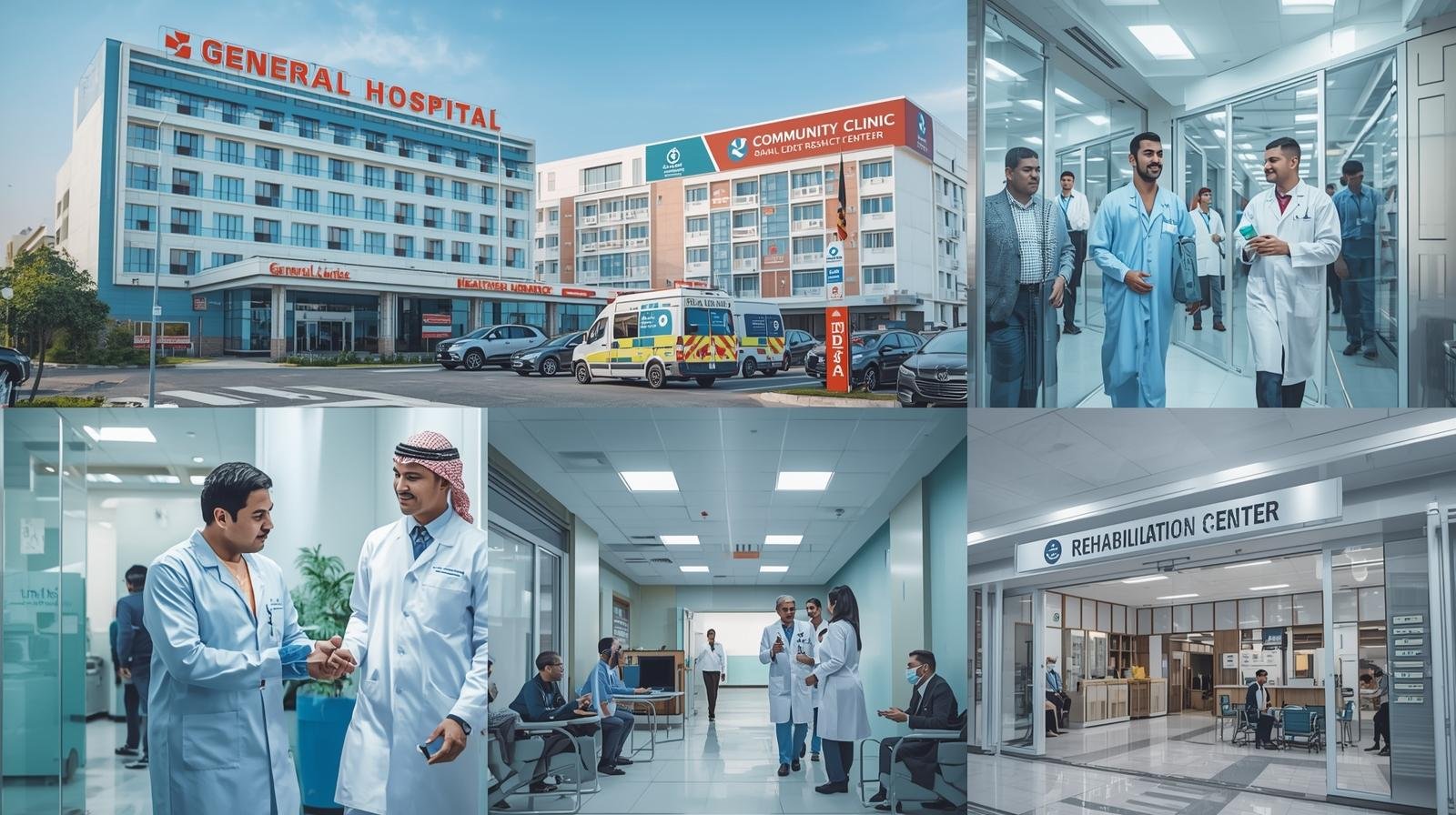
Healthcare systems are built on different types of hospitals and medical facilities. Each type serves a defined purpose. Understanding how these facilities function helps patients make informed decisions about care. This guide explains the main types of hospitals and healthcare facilities, how they operate, and how they fit into a healthcare system.
What Is a Hospital
A hospital is a healthcare institution that provides diagnosis, treatment, and monitoring for patients. Hospitals operate with licensed physicians, nurses, technicians, and support staff. They offer services ranging from emergency care to surgery and long-term treatment.
Hospitals can be public or private. Some operate under government funding. Others function as private organizations or nonprofit institutions.
General Hospitals
General hospitals provide a wide range of services. These include:
- Emergency services
- Surgery
- Internal medicine
- Maternity care
- Pediatric care
- Diagnostic services
General hospitals treat patients with various conditions. They often serve as the first point of contact for serious medical issues. Most communities rely on general hospitals for urgent and planned care.
Specialized Hospitals
Specialized hospitals focus on specific medical fields. These hospitals provide treatment for defined conditions. Examples include:
- Cardiology hospitals
- Oncology hospitals
- Orthopedic hospitals
- Psychiatric hospitals
- Maternity hospitals
Specialized hospitals invest in equipment and staff trained in a particular area. Patients with complex conditions may receive referrals from general hospitals to specialized facilities.
Teaching Hospitals
Teaching hospitals are connected to medical schools. They train medical students, residents, and fellows. These hospitals provide patient care while also offering education and research.
Teaching hospitals often handle complex cases. They may provide access to research-based treatments. Patients treated in teaching hospitals may interact with trainees supervised by licensed physicians.
Community Hospitals
Community hospitals serve local populations. They offer essential services such as emergency care, general surgery, and inpatient services.
Community hospitals may refer complex cases to larger regional hospitals. Their role is to provide accessible healthcare within a defined geographic area.
Government Hospitals
Government hospitals operate under public funding. They provide services to citizens, often at reduced cost. These hospitals may serve large populations and manage public health programs.
In many countries, government hospitals play a central role in disease control and emergency response.
Private Hospitals
Private hospitals are owned by individuals, corporations, or nonprofit groups. Patients may pay directly or use insurance coverage.
Private hospitals may offer shorter wait times. Services vary depending on ownership and funding structure.
Rural Hospitals
Rural hospitals serve communities outside urban centers. These facilities provide emergency care, primary care, and limited inpatient services.
Due to location, rural hospitals may transfer patients to larger facilities for complex treatment. Access to rural healthcare remains a critical part of national health systems.
Rehabilitation Centers
Rehabilitation centers focus on recovery after illness, injury, or surgery. Services include:
- Physical therapy
- Occupational therapy
- Speech therapy
- Post-surgical monitoring
These centers help patients regain function and independence.
Long-Term Care Facilities
Long-term care facilities support patients with chronic illness or disability. Residents may require daily assistance and medical supervision.
Services include medication management, nursing care, and support with daily living tasks.
Outpatient Clinics
Outpatient clinics provide care without hospital admission. Patients receive diagnosis, treatment, and follow-up services on the same day.
Common outpatient services include:
- Primary care visits
- Minor procedures
- Diagnostic testing
- Vaccination services
Outpatient clinics reduce hospital admissions and support preventive healthcare.
Urgent Care Centers
Urgent care centers treat non-life-threatening conditions. These facilities operate extended hours and handle cases such as minor injuries, infections, and routine medical concerns.
They reduce pressure on emergency departments.
Emergency Departments
Emergency departments treat life-threatening conditions. Services operate around the clock.
Common cases include:
- Trauma
- Heart attack
- Stroke
- Severe infections
Emergency departments stabilize patients before discharge or hospital admission.
Academic Medical Centers
Academic medical centers combine patient care, research, and education. These centers often handle advanced procedures and rare conditions.
They contribute to medical research and innovation.
Telehealth Facilities
Telehealth services allow patients to consult healthcare providers remotely. Through video calls and digital tools, patients receive guidance without visiting a physical location.
Telehealth improves access, especially for remote areas.
Diagnostic Centers
Diagnostic centers provide imaging and laboratory services. These include:
- Blood tests
- X-rays
- CT scans
- MRI scans
Hospitals and clinics rely on diagnostic centers for accurate evaluation.
Ambulatory Surgical Centers
Ambulatory surgical centers perform same-day surgeries. Patients are discharged without overnight stay.
These centers focus on procedures that do not require long-term monitoring.
The Role of Each Facility in Healthcare Systems
Healthcare systems function through coordination. Primary care clinics identify health issues. Hospitals provide advanced treatment. Rehabilitation centers support recovery. Long-term care facilities assist patients with ongoing needs.
Efficient referral systems connect these facilities.
How Patients Benefit from Understanding Hospital Types
Knowing the type of hospital required can:
- Reduce delays in treatment
- Improve access to correct specialists
- Support informed decisions
- Optimize insurance coverage
Understanding facility roles helps patients navigate healthcare systems.
Choosing the Right Healthcare Facility
Factors to consider include:
- Type of condition
- Level of urgency
- Insurance coverage
- Location
- Availability of specialists
Patients should verify accreditation and licensing before selecting a facility.
Accreditation and Quality Standards
Hospitals follow standards set by health authorities. Accreditation ensures compliance with safety and treatment protocols.
Patients may review hospital performance metrics when making decisions.
Integration of Services
Modern healthcare systems integrate services through digital records and coordinated referrals. This approach reduces duplication and improves care continuity.
Conclusion
Types of hospitals and healthcare facilities differ based on services, ownership, and patient needs. General hospitals provide broad services. Specialized hospitals focus on defined conditions. Clinics and outpatient centers support routine care. Rehabilitation and long-term facilities assist recovery and chronic management.
Understanding these categories helps patients access appropriate treatment. Healthcare systems depend on collaboration among facilities to provide safe and effective care.